







VOL. 19, ISSUE NO. 2 | May 2026

Spotlight





ENGINEERING EXPORTS AT CROSSROADS
NAVIGATING DEMAND AND SUPPLYSIDE CHALLENGES IN A SHIFTING GLOBAL TRADE LANDSCAPE

India’s engineering sector remains one of the most critical pillars of the country’s industrial base and export growth story. Encompass‑ ing a wide spectrum from iron and steel, machinery, and automobiles to electrical equipment, capital goods, and precision engineering the sector has consistently demon‑ strated dynamism, adaptability, and resilience. It is not only the largest contributor to India’s merchandise exports but also a key driver of employment, technological capability, and global manufacturing integra‑ tion.
Not withstanding the challenging global trade environment, the sec‑ tor has continued to show remark‑ able resilience. India’s engineering exports reached an all‑time high of USD 122.43 billion in FY 2025‑26, registering about 5% growth over the previous year’s USD 116.75 bil‑ lion. This achievement is particularly noteworthy given the adverse external environment marked by geopolitical tensions, supply chain disruptions, rising energy prices, and growing protectionism.
Engineering exports also remain In‑ dia’s largest export category, form‑ ing a substantial share of the coun‑ try’s total merchandise exports and reflecting the sector’s global com‑ petitiveness. At the same time, this performance strengthens India’s longer‑term aspiration to reach USD 250 billion in engineering ex‑ ports by 2030, a target that reflects both ambition and opportunity for the sector.
However, the path ahead is not without challenges. The engineer‑ ing sector is currently navigating a complex interplay of demand‑side (external market pressures) and supply‑side (domestic production and cost constraints) challenges, which together define its growth trajectory.
Demand‑Side Challenges
Rising protectionism and mar‑ ket access constraints
Global trade has witnessed a distinct shift towards protec‑ tionism, with major economies increasingly adopting tariff and non‑tariff barriers.Measures such as:
- Tariff increases
- Safeguard duties
- Tariff Rate Quotas (TRQs)
- Local content requirements
For Indian exporters, particu‑ larly in sectors such as steel, aluminium, and capital goods, these barriers have reduced price competitiveness and com‑ plicated market entry. Tradi‑ tional export destinations like the US and EU are becoming in‑ creasingly difficult to penetrate, necessitating diversification into emerging markets.
2. Carbon Border Adjustment Mechanism (CBAM) and Green Barriers
The European Union’s Carbon Border Adjustment Mechanism (CBAM) represents a paradigm shift in global trade. By imposing carbon‑linked charges on imports, CBAM effectively in‑ troduces a new layer of trade restrictions.
Indian exporters face multiple challenges under CBAM:
- Additional taxation on car‑ bon‑intensive products
- Complex reporting and verifi‑ cation requirements
- Increased compliance costs
The burden is disproportionate‑ ly higher on MSMEs, which lack the infrastructure and financial resources to measure and re‑ port emissions accurately. Over time, CBAM could significantly alter demand patterns in favour of low‑carbon suppliers.
3. Section 232 Tariffs by the Unit‑ ed States
The imposition of Section 232 tariffs by the United States con‑ tinues to affect engineering ex‑ ports, particularly in steel and aluminium sectors. With tariffs ranging from 25% to 50%, Indian products face a severe compet‑ itive disadvantage. Additionally, the complexity in determining content‑based tariffs and com‑ pliance requirements further increases transaction costs and uncertainty for exporters.
4. Global economic slowdown and demand weakness
Demand for engineering goods is closely tied to global eco‑ nomic conditions. The slow‑ down in major economies has dampened export demand due to:
- Reduced industrial produc‑ tion
- Lower capital expenditure
- Weak consumer and invest‑ ment sentiment
The real estate slowdown in Chi‑ na, economic stress in Europe, and high interest rates globally have directly impacted demand for engineering products such as machinery, transport equip‑ ment, and construction materi‑ als.
5. Geopolitical disruptions and logistics uncertainty
Recent geopolitical develop‑ ments, particularly the West Asia / Red Sea crisis, have dis‑ rupted critical global shipping routes. The consequences in‑ clude:
- Significant rise in freight costs
- Diversion to longer shipping routes
- Delays in cargo delivery
- Increased uncertainty in meeting export commit‑ ments
Even during such disruptions, Indian engineering exports managed to sustain growth, highlighting resilience. Howev‑ er, persistent disruptions pose serious risks to long‑term trade relationships and reliability in global markets.
6. Non‑Tariff Barriers and Regula‑ tory Complexity
Engineering exports face nu‑ merous non‑tariff barriers (NTBs), including:
- Stringent product standards and certifications
- Regulatory approvals
- Environmental compliance norms
The absence of Mutual Recogni‑ tion Agreements (MRAs) exac‑ erbates the problem, as export‑ ers must comply with multiple certification regimes, increasing time and cost.
Supply‑Side Challenges
1.High input costs and raw mate‑ rial volatility
One of the key supplies‑side challenges is the high cost of raw materials, especially met‑ als such as steel and aluminium.Factors contributing to this in‑ clude:
- Global price volatility
- Domestic supply issues
- Trade restrictions and safe‑ guard duties
Higher input costs directly re‑ duce export competitiveness, particularly for value‑added en‑ gineering products.
2. Logistic challenges and high costs
Logistics remains a structural bottleneck for Indian exports.Key issues include:
- High inland transport costs
- Inadequate multimodal con‑ nectivity
- Port congestion and delays
- Container shortages during crises
Compared to global competi‑ tors, Indian exporters face rel‑ atively higher logistics costs, which erode pricing advantag‑ es.
3. Limited access to affordable finance
Access to timely and cost‑ef‑ fective finance continues to be a constraint for exporters, par‑ ticularly MSMEs.
Challenges include:
- High interest rates
- Stringent collateral require‑ ments
- Limited access to institution‑ al credit
Export‑oriented units require working capital support for pro‑ duction and shipment cycles, and delays in financing disrupt operations.
4. Credit rating constraints for MSMEs
The current credit rating frame‑ work often does not adequately capture the strengths of MS‑ MEs. Issues include:
- Lack of formal financial doc‑ umentation
- Benchmarking against large corporates
- Perceived higher risk
As a result, MSMEs face:
- Lower credit ratings
- Higher borrowing costs
- Restricted access to finance
5. Inverted duty structures
In several sectors, inverted duty structures persist, where Import duties on inputs are higher than those on finished goods.
This discourages domestic val‑ ue addition and undermines manufacturing competitive‑ ness, leading to increased reli‑ ance on imports.
6. Technology gaps and low inno‑ vation intensity
The engineering sector is in‑ creasingly technology‑driven, with global demand shifting towards advanced, high‑preci‑ sion, and sustainable products.
However, challenges remain in:
- R&D investment
- Adoption of advanced manu‑ facturing technologies
- Innovation ecosystems
Without addressing these gaps, Indian exporters risk losing competitiveness in high‑value segments.
7.Rising compliance burden
Exporters face complex regu‑ latory and procedural require‑ ments, such as:
- Customs and documentation processes
- Delays in incentives and re‑ funds
Such issues increase transac‑ tion costs and reduce ease of doing business.
8. Energy Costs and Sustainabili‑ ty Transition
Energy costs have risen global‑ ly, impacting production costs.At the same time, exporters must invest in:
- Energy efficiency
- Sustainability compliance
The cost of this transition is par‑ ticularly burdensome for MS‑ MEs.
9. Dependence on Imports for Critical Inputs
India’s reliance on imports of certain critical inputssuch as rare earth magnets and special‑ ised componentsposes a stra‑ tegic risk.Recent export restric‑ tions by countries controlling critical minerals have exposed vulnerabilities in supply chains, affecting sectors such as:
- Automobiles and EVs
- Electrical machinery
- Electronics
Such disruptions can directly impact production and export commitments.
Resilience amid adversity
Despite the multitude of challenges outlined above, the performance of India’s engineering sector has been remarkable.
The achievement of USD 122.43 bil‑ lion in engineering exports in FY 2025‑26 stands as a testament to:
- Industry resilience
- Market diversification strategies
- Product innovation
- Policy support, including FTAs
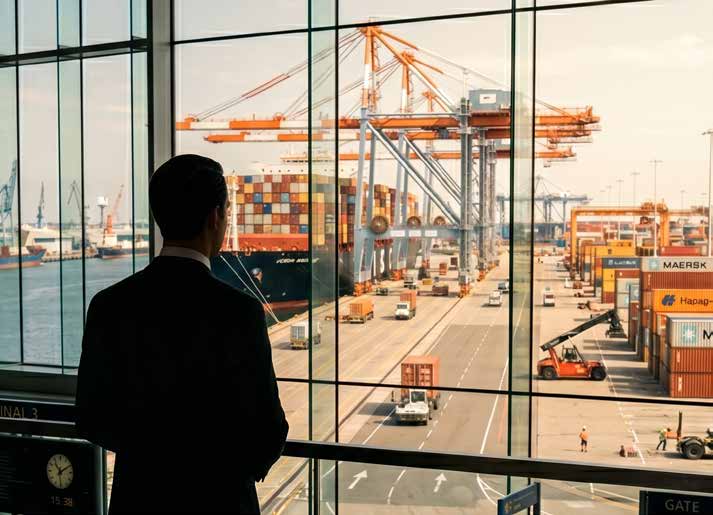
Even during periods of severe dis‑ ruption such as the West Asia crisis affecting key shipping routes the sector‑maintained growth momen‑ tum. This resilience reflects the sec‑ tor’s ability to adapt to changing circumstances and leverage emerg‑ ing opportunities.
Conclusion
India’s engineering export sector is navigating one of the most complex phases in global trade history. De‑ mand‑side challengesranging from protectionism and CBAM to geopo‑ litical disruptions—are constraining market access and export growth.Simultaneously, supply‑side con‑ straints such as high input costs, financing gaps, and infrastructure limitations continue to weigh on competitiveness.
Yet, the sector’s ability to achieve re‑ cord exports in FY 2025‑26 despite these challenges demonstrates its inherent strength and adaptability.The journey ahead towards USD 250 billion exports by 2030 will require a combination of strategic policy interventions, industry inno‑ vation, and global engagement.
With the right support framework and continued resilience, India’s en‑ gineering sector is well‑positioned not only to overcome existing chal‑ lenges but also to emerge as a key player in the evolving global indus‑ trial and trade landscape.

© Copyright , All rights reserved. Design by Andreal